


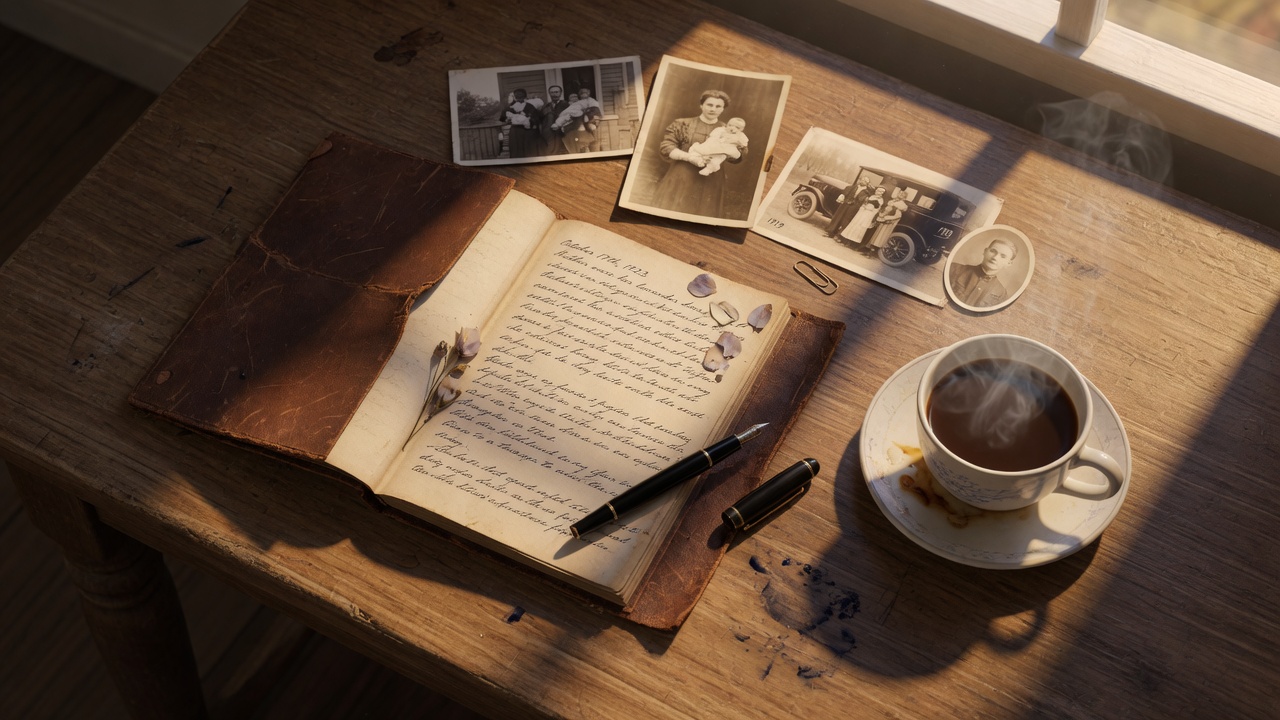
Writing a personal history is one of the most rewarding projects you can ever start. Have you ever felt completely overwhelmed staring at a blank page, wondering how to summarize your entire life? Many people struggle with this exact problem when trying to leave a legacy for their family.
The embedded document below is a fantastic resource that solves this problem. Originally written as a Spanish guide titled “Como escribir una historia personal,” it provides a comprehensive, step-by-step questionnaire. By answering just a few questions at a time across 12 distinct chapters, you can easily build a beautiful, lasting record of your life.
Exploring Your Early Years for Writing a Personal History
The best way to begin your story is at the very beginning. Chapter 1 of the guide focuses on your early life and family origins. It prompts you to record the full names, birth dates, and birthplaces of your parents and grandparents.
From there, Chapter 2 moves into your childhood neighborhood. You will be asked what the place you grew up in was like and prompted to describe your most important early friendships. These small details add wonderful color to your story.
Chapter 3 dives into your school days. It encourages you to capture the names of the schools you attended and your first memories of the classroom. You can also write about teachers you loved, subjects you disliked, and your favorite extracurricular activities.
Careers, Romance, and Family
As we grow, our lives naturally shift toward work and relationships. Chapter 4 explores your journey into the workforce, starting with what you wanted to be when you grew up. It asks about your first job, your first boss, and the lessons you learned from them.
When it comes to writing a personal history, Chapter 5 is often the section families love reading the most. This chapter is all about romance and marriage. It asks you to recall your first date and how you knew you were truly in love.
You will also be prompted to share the story of your engagement and details about your wedding ceremony. Finally, this section guides you through the beautiful and sometimes chaotic experience of starting your own family.
Deep Reflections on Faith and Trials
A complete life story is not just about dates and jobs; it is about what you experienced and what you believed. Chapter 6 focuses on leisure, asking about your most memorable family vacations. You can also document your hobbies and personal achievements.
Chapter 7 delves into your places of worship and personal beliefs. It asks if you follow a religious tradition and what role your beliefs play in your life today. You can also share what you would like to teach your children about faith.
For those who lived through times of conflict, Chapter 8 addresses war and peace. It respectfully asks if you served in the military or were on the home front. You can record key moments from your service and offer advice to today’s youth.
Chapter 9 is perhaps the most poignant part of writing a personal history. It focuses on triumph and tragedy. You are guided to write about your happiest moments, as well as difficult times like losing a loved one or a job.
Leaving a Legacy of Wisdom and Joy
The final chapters of the document help you pass down your core values and personality. Chapter 10 asks for your words of wisdom. You can share life lessons you have learned that you want to pass on to the younger generation.
Chapter 11 brings out the family’s funny bone. It asks about favorite family jokes, who the family comedian was, and your funniest memories. Laughter is a huge part of any family’s history!
Finally, Chapter 12 wraps up the entire process with gratitude. It asks what you are most thankful for in your life. It also prompts you to explain how you have taught your own children to be grateful.
By taking the time to answer these questions, you are giving your family an incredible gift. Review the embedded document below and start writing a personal history today by answering just one question!
