


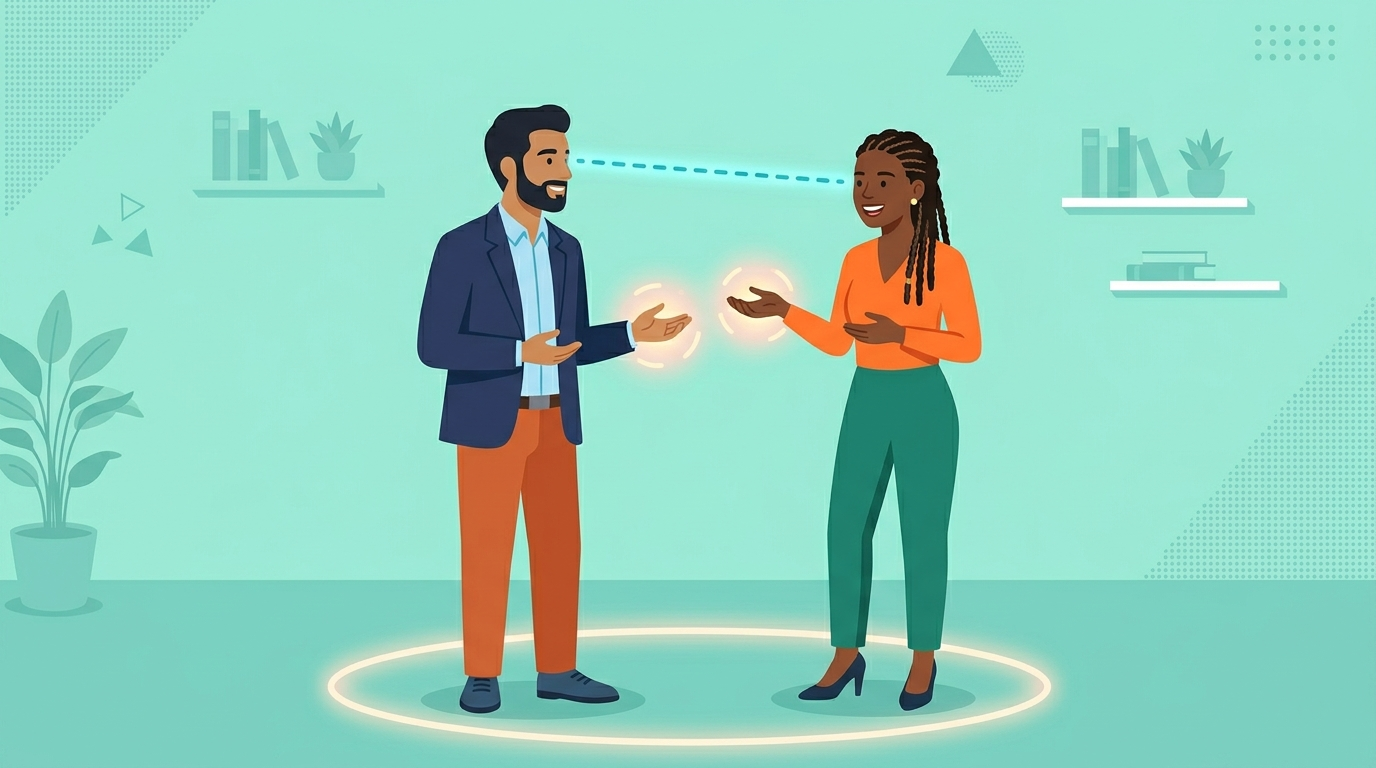
Have you ever trusted your gut feeling about a new person, only to find out later that you were absolutely right? That powerful intuition is not a mystery; it is actually deeply rooted in psychological science. Studies prove that your brain makes highly complex social decisions in mere seconds.
The embedded document below is a fantastic guide to mastering the art of reading body language. It breaks down the exact science of “thin slicing” and how to consciously tap into your natural instincts. By understanding these subtle nonverbal cues, you can navigate social and professional relationships with incredible ease and confidence.
Facial Expressions and Microexpressions
When it comes to reading body language, the face is always the most telling place to start. A person’s eyes can reveal everything you need to know about their current emotional state. Intense eye contact can show deep interest or aggression, while rapid blinking often signals high stress or deception.
However, the most fascinating facial cues are called microexpressions. These are lightning-fast, involuntary facial movements that reveal a person’s true emotions before they have a chance to hide them. Catching a quick flash of anger or disgust can completely change how you interpret a conversation.
Posture, Gestures, and Personal Space
Your body simply never lies, making posture an essential element of nonverbal communication. A consistent, open, and relaxed posture generally indicates genuine interest and comfort. Conversely, crossed arms or a tense body often point toward defensiveness, discomfort, or a desire to close off from the interaction.
You can also learn a lot by observing how someone utilizes personal space. Sometimes, the physical distance a person keeps speaks much louder than their actual words. Moving closer signals intimacy and trust, while stepping back is a classic distancing behavior that indicates a desire to disengage.
Furthermore, mirroring is a highly positive sign when reading body language. If someone subconsciously copies your posture or hand gestures, it shows they are trying to build rapport and establish a deep connection with you.
Identifying Common Red Flags
One of the most valuable skills you can develop is spotting nonverbal red flags. The absolute biggest warning sign is incongruence, which happens when a person’s words do not match their physical actions. For example, if someone says “yes” while subconsciously shaking their head “no,” you should immediately trust their physical movement over their words.
Increased nervousness is another major red flag to watch out for. Behaviors like fidgeting, touching the face or neck, or constantly shifting weight usually indicate anxiety or hidden deception. When you spot these clusters of nervous energy, it is time to proceed with caution.
Hidden Clues About True Character
The document also highlights how people reveal their true character in the first ten seconds of an interaction. Opening lines, small promises, and the rhythm of their voice carry massive amounts of emotional data. A harsh, erratic tone of voice can easily betray a calm, smiling face.
More importantly, you can accurately read someone by watching how they treat people who lack power or authority. True character is always revealed in these unguarded moments. Additionally, observing how someone handles sudden criticism provides undeniable proof of their actual emotional strength and social intelligence.
Why Context is Always Key
While reading body language is an incredibly powerful tool, you must always remember that context is key. You should never interpret a single gesture, like crossed arms, in total isolation, as the person might simply be cold. Always look for “clusters” of multiple signals that point to the exact same emotion.
You must also account for individual baseline behaviors. A person might avoid eye contact because they are on the autism spectrum, or they might fold their hands strictly due to prior military training. Take a few minutes to read the brilliant 5-page document below to truly master the psychology of human intuition!
